- Tel: +86 13451474678 / 13451474678
- Email: / hbzinanmech@gmail.com

drive axle replacement
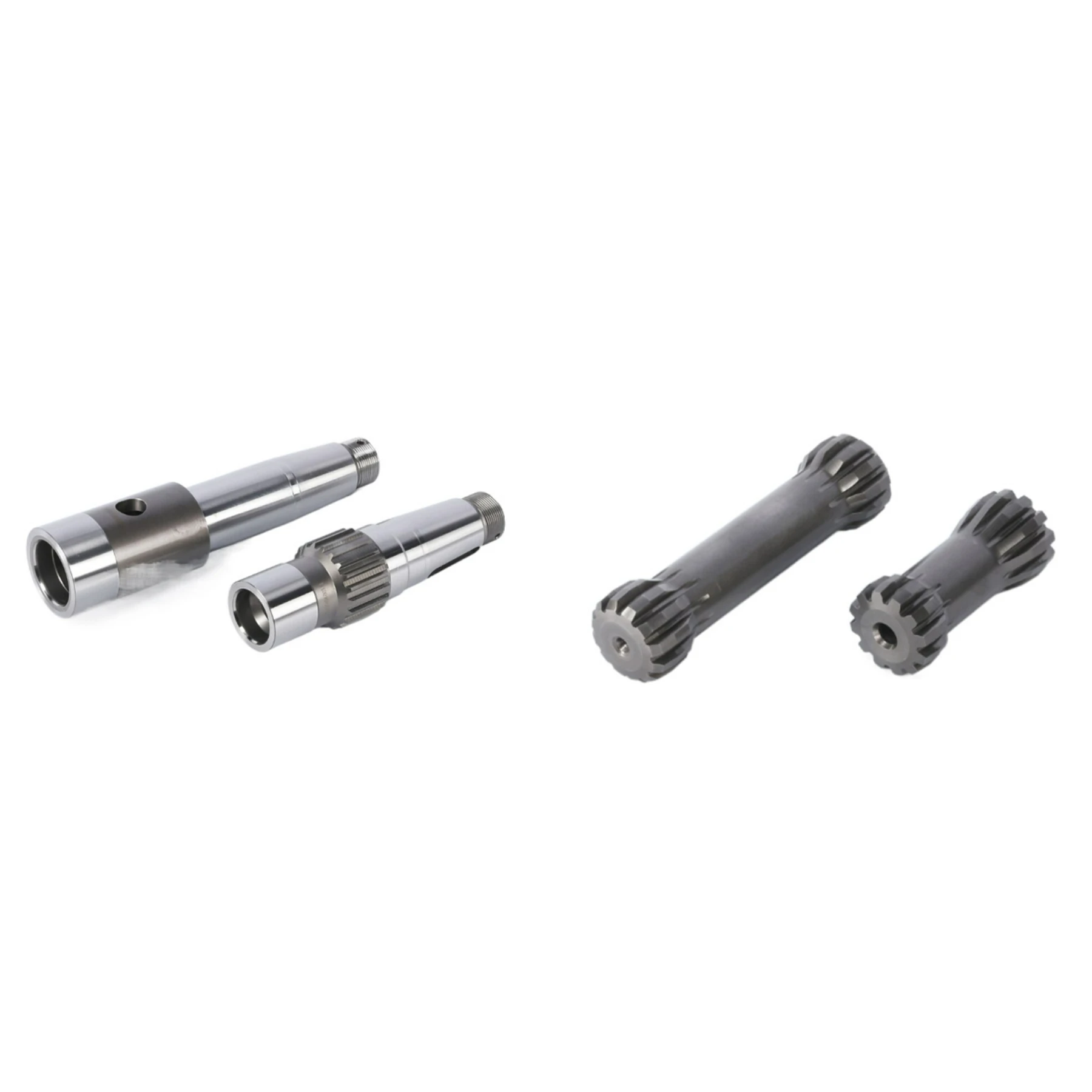
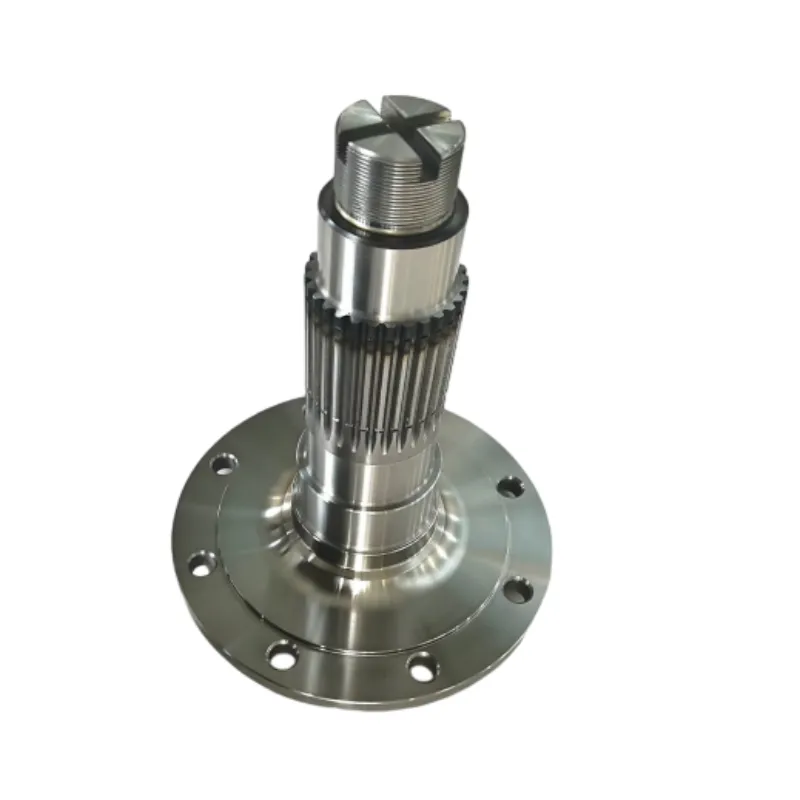
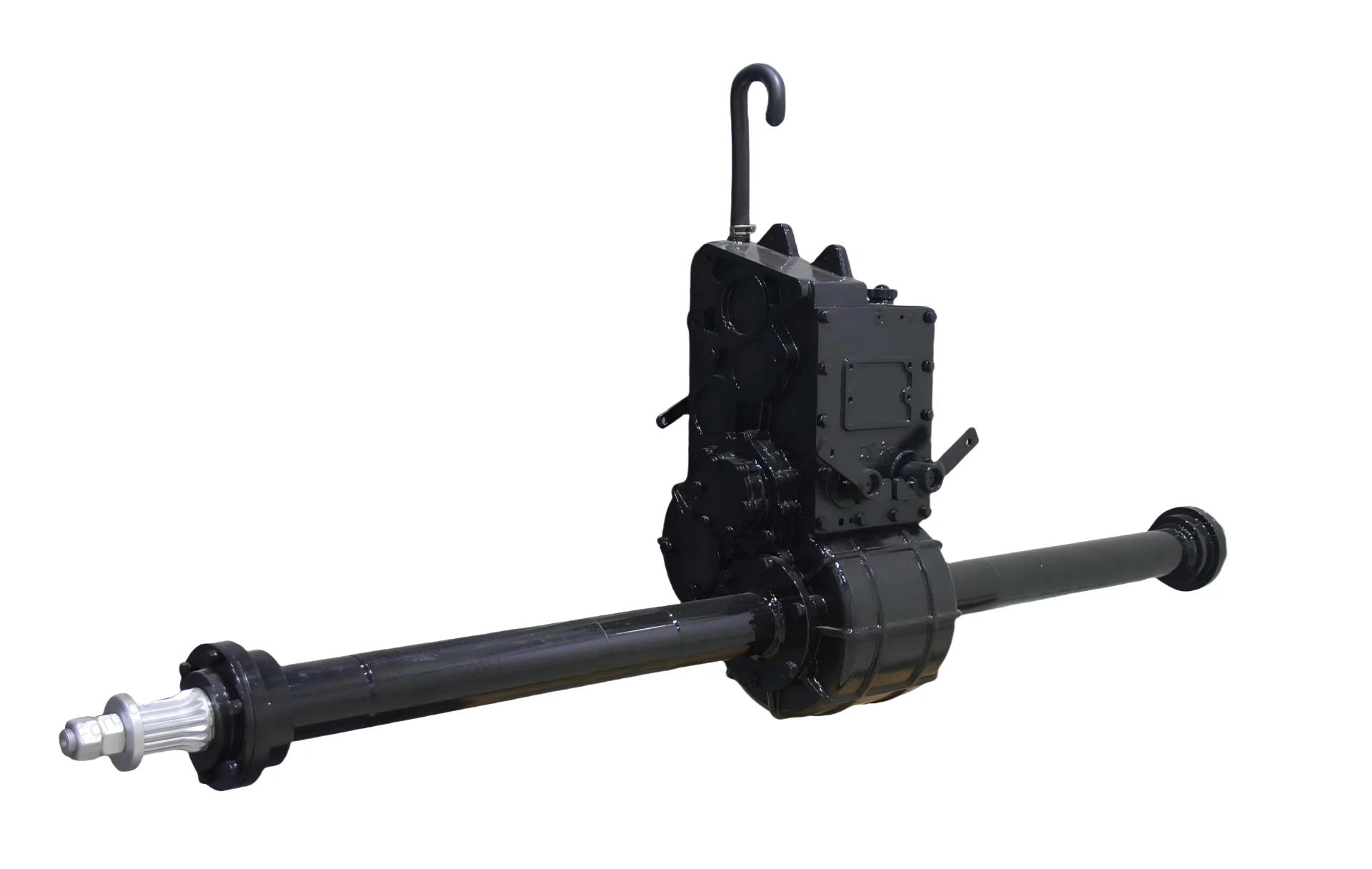
Introduction to Advanced Drive Axle Technology In the realm of heavy-duty machinery and industrial applications, the efficiency and reliability of power transmission systems are paramount. At the core of many robust vehicles and specialized equipment lies the drive axle, a critical component responsible for converting engine power into rotational force to move the wheels. Among the various drive axle configurations, the chain drive rear axle stands out for its unique advantages in specific demanding environments. This article delves into the intricacies of this technology, exploring its technical specifications, manufacturing precision, application versatility, and the strategic advantages it offers to B2B clients seeking high-performance and durable solutions. Understanding the design philosophy and operational benefits of systems like the 1204 Wheel Engine Drive Axle is crucial for decision-makers and engineers. This component is engineered to deliver exceptional torque transfer, particularly in scenarios requiring high traction and load-bearing capabilities. From material selection to precision machining, every aspect of its production is geared towards ensuring unparalleled service life and performance under extreme conditions. Industry Trends and Market Dynamics for Drive Axles The global market for drive axles is experiencing dynamic shifts, driven by escalating demands for fuel efficiency, enhanced durability, and intelligent systems integration in heavy machinery. Key trends include the lightweighting of components through advanced materials, the adoption of modular designs for easier maintenance, and the integration of sensor technologies for real-time performance monitoring. For specialized applications, the demand for robust power transmission solutions, such as the chain drive rear axle , remains consistently strong, especially in sectors where reliability and high torque delivery are non-negotiable. Emerging markets and the growth of infrastructure projects worldwide are fueling the need for dependable `drive axle on a semi truck` and off-highway vehicles. Manufacturers are increasingly focusing on solutions that offer a longer service life and reduced total cost of ownership (TCO). This includes advancements in gear metallurgy, lubrication systems, and sealing technologies. The rise of electric and hybrid heavy vehicles also presents new challenges and opportunities, requiring drive axles to handle higher instantaneous torques and integrate seamlessly with electric powertrains. Innovations like `double reduction drive axle` designs are gaining traction for applications demanding maximum torque multiplication and compact packaging. Moreover, environmental regulations are pushing for more energy-efficient designs, encouraging manufacturers to optimize gear profiles and reduce frictional losses. The emphasis is on developing axles that not only meet stringent performance criteria but also contribute to the overall sustainability goals of the industries they serve. Technical Specifications and Core Components The chain drive rear axle is a sophisticated engineering marvel, designed for applications that demand high torque and robust performance. Understanding its technical specifications is crucial for optimal integration and operational efficiency. Below is a detailed overview of key parameters, using the 1204 Wheel Engine Drive Axle as a reference point. Key Structural Elements: **Axle Housing:** Typically constructed from high-strength cast iron or forged steel, providing a rigid enclosure for internal components and supporting the vehicle's weight. **Differential Assembly:** Enables wheels to rotate at different speeds during turns, crucial for maneuverability. Often features a limited-slip or locking differential for enhanced traction. **Chain Drive System:** Comprises heavy-duty roller chains and sprockets, renowned for their ability to transmit high torque with minimal slip, particularly effective in low-speed, high-load scenarios. **Axle Shafts:** Forged from alloy steel, these shafts transmit power from the differential to the wheels, designed to withstand torsional and bending stresses. **Brake Systems:** Integrated drum or disc brakes, often with air or hydraulic actuation, ensuring reliable stopping power and safety. **Hubs and Bearings:** Precision-machined hubs support the wheels, while heavy-duty tapered roller bearings manage axial and radial loads, ensuring smooth rotation and longevity. Product Specification Table: 1204 Wheel Engine Drive Axle Parameter Specification (Typical for 1204 Model) Rated Load Capacity Up to 12,000 kg Max Output Torque 18,000 Nm Gear Ratio Options Typically 12.0:1 to 24.0:1 (customizable) Differential Type Standard Differential, Optional Limited Slip Differential (LSD) Brake System Hydraulic Drum Brakes / Wet Multi-disc Brakes (Optional) Housing Material High-Strength Ductile Cast Iron (ASTM A536) Axle Shaft Material Forged Alloy Steel (e.g., SAE 4140) Sealing Technology Multi-lip seals for enhanced dust and water resistance Operating Temperature Range -40°C to +80°C These specifications underscore the robust engineering required to meet the rigorous demands of industrial and heavy-duty applications. The selection of materials and precise manufacturing tolerances are critical to achieving the specified performance characteristics and ensuring long-term operational reliability. Precision Manufacturing Process of the Chain Drive Rear Axle The production of a high-quality chain drive rear axle involves a sophisticated multi-stage manufacturing process, meticulously controlled to ensure superior strength, precision, and longevity. This commitment to quality is evident in every step, from raw material sourcing to final assembly and testing. Manufacturing Process Flow: Material Selection & Sourcing: High-grade alloy steels (e.g., Cr-Ni-Mo alloys for shafts and gears) and ductile cast iron (e.g., ASTM A536 for housings) are selected based on their mechanical properties, fatigue strength, and wear resistance. Materials are procured from certified suppliers, undergoing stringent incoming quality inspections. Forging & Casting: Axle shafts, gears, and some structural components are typically forged to enhance grain structure and strength, followed by annealing. Axle housings are often cast, utilizing advanced casting techniques to achieve complex geometries with superior metallurgical integrity. CNC Machining: Precision CNC machining centers are used to mill, bore, turn, and grind components to exact tolerances. This includes gear cutting (hobbing, shaping, grinding), shaft spline cutting, and housing bore finishing, ensuring perfect meshing and alignment. Heat Treatment: Critical components like gears and shafts undergo various heat treatments such as carburizing, induction hardening, or nitriding. This process significantly improves surface hardness, wear resistance, and core toughness, extending the service life. Surface Finishing & Coating: Components may receive shot peening for fatigue strength enhancement and anti-corrosion coatings or treatments (e.g., phosphating, powder coating) to protect against harsh operating environments, demonstrating advantages in corrosion resistance. Assembly: Components are meticulously assembled in clean-room environments. This includes bearing installation, differential assembly, chain drive integration, and sealing. Proper torque specifications are strictly adhered to. Quality Control & Testing: Each assembled axle undergoes a rigorous battery of tests, including leak testing, noise and vibration analysis, backlash measurement, and dynamic load testing. Compliance with international standards such as ISO 9001, ANSI, and applicable industry-specific standards (e.g., SAE) is verified. This ensures a design service life that meets or exceeds industry expectations, with typical operational lifespans exceeding 10,000 hours under rated conditions. Packaging & Logistics: Finished axles are carefully packaged to prevent damage during transit, ensuring they arrive at the client's site in perfect condition. Figure 1: Illustration of a precision-engineered chain drive rear axle component. This comprehensive process ensures that each drive axle not only meets but often exceeds the performance and durability expectations of industries such as petrochemical, metallurgy, and water supply & drainage, where continuous, heavy-duty operation is the norm. The focus on energy saving is achieved through optimized gear and chain efficiencies, reducing power losses within the transmission system. Technical Advantages and Performance Benefits The selection of a chain drive rear axle for specific applications is driven by a distinct set of technical advantages that directly translate into operational benefits and lower total cost of ownership. These benefits are particularly pronounced in demanding industrial and off-highway environments. High Torque Transmission and Load Capacity: Chain drive systems are inherently designed for high torque output and superior load-bearing capabilities. This makes them ideal for heavy machinery that needs to move substantial weights or operate in challenging terrains. The direct engagement of sprockets with the chain minimizes slip and maximizes power transfer efficiency. Robustness and Durability: Constructed from high-strength alloys and subjected to advanced heat treatments, components of the chain drive rear axle offer exceptional resistance to wear, fatigue, and shock loads. This robustness translates into a significantly extended service life, even under continuous, heavy-duty operation. Corrosion Resistance: With specialized coatings and seal designs, these axles are highly resistant to corrosive agents found in industrial environments, such as chemicals in petrochemical plants or moisture in mining operations. This ensures consistent performance and reduced maintenance in hostile conditions. Ease of Maintenance and Repair: Compared to more complex planetary gear systems, chain drive mechanisms can often be simpler to inspect and service. The modular design of many axles allows for easier replacement of specific components, reducing downtime and maintenance costs. Versatility in Gear Ratios: Chain drive systems offer considerable flexibility in adjusting gear ratios to optimize performance for various speeds and torque requirements, providing customized solutions for specific machine types and operational profiles. Enhanced Traction Control: The inherent mechanical advantage and direct power transfer of a chain drive, especially when combined with advanced differential options, contribute to superior traction control, vital for maneuvering in challenging terrains or with heavy loads. Energy Efficiency: Modern chain drive designs, coupled with optimized lubrication systems and precision-machined components, exhibit excellent mechanical efficiency. This translates into reduced power loss during transmission, contributing to overall energy saving in the operational context of the equipment. These advantages underscore why the chain drive rear axle remains a preferred choice for heavy-duty applications demanding reliability, power, and enduring performance. Application Scenarios and Target Industries The robust design and high torque capabilities of the chain drive rear axle make it indispensable across a spectrum of demanding industrial and heavy-duty applications. Its versatility ensures reliable power transmission in the most challenging environments. Target Industries and Specific Applications: Petrochemical Industry: Used in specialized forklifts, material handlers, and other mobile equipment operating in hazardous and corrosive environments within refineries, chemical plants, and oil & gas extraction sites. The emphasis here is on explosion-proof designs and materials with high corrosion resistance. Metallurgy and Steel Mills: Critical for heavy transporters, slab carriers, and ladle transfer cars that move molten metal or hot steel products. These applications demand extreme heat resistance, immense load capacity, and continuous operation under high stress. The `double reduction drive axle` is often employed here for its superior torque multiplication. Mining and Construction: Integral to heavy-duty dump trucks, wheel loaders, excavators, and drilling rigs operating in rugged, uneven terrains. The `drive axle on a semi truck` and similar heavy-duty configurations are essential for navigating steep inclines and carrying massive payloads in mines and construction sites. Water Supply & Drainage Systems: Found in specialized amphibious vehicles, large-scale pump station equipment, and maintenance vehicles that require robust mobility and power for infrastructure projects, especially in areas prone to flooding or where access is challenging. Port and Terminal Operations: Key components in container handlers, straddle carriers, and terminal tractors, facilitating the rapid and efficient movement of heavy cargo. These environments require high reliability and sustained performance due to continuous operational cycles. Agriculture and Forestry: Powering large agricultural tractors, harvesters, and forestry skidders that operate in challenging field conditions, demanding high traction and durability. In each of these scenarios, the ability of the **chain drive rear axle** to provide dependable, high-torque power transmission, coupled with its robust construction, makes it the optimal choice for ensuring operational continuity and efficiency. Customized Solutions for Unique Requirements Recognizing that no two industrial applications are exactly alike, leading manufacturers of chain drive rear axle systems offer extensive customization capabilities. This ensures that the drive axle solution is perfectly aligned with the unique operational demands, environmental conditions, and integration requirements of each client. Customization options for the 1204 Wheel Engine Drive Axle, for instance, typically include: **Gear Ratio Optimization:** Tailoring internal gear ratios to match specific vehicle speeds, torque demands, and engine power curves for optimal performance and fuel efficiency. **Differential Configurations:** Offering various differential types, including standard open, limited-slip (LSD), or fully locking differentials, to enhance traction control in diverse terrains. **Brake System Integration:** Adapting to different braking technologies, such as dry disc, wet multi-disc, or pneumatic drum brakes, based on safety standards, environmental exposure, and stopping power requirements. **Material Upgrades:** Specifying advanced materials for components to improve resistance to extreme temperatures, corrosion, or abrasive wear, extending service life in harsh operating conditions. **Flange and Mounting Adaptations:** Customizing mounting patterns and flange designs for seamless integration with existing vehicle chassis and wheel assemblies. **Sensor Integration:** Adding provisions for speed sensors, temperature sensors, or pressure sensors for enhanced real-time diagnostics and predictive maintenance capabilities. **Specialized Sealing:** Developing bespoke sealing solutions to protect against specific contaminants like fine dust, aggressive chemicals, or submersion in water, critical for applications in mining or marine environments. Through a collaborative engineering approach, clients can leverage the expertise of manufacturers to design a **chain drive rear axle** solution that not only meets their immediate technical requirements but also contributes to long-term operational excellence and cost-effectiveness. Vendor Comparison and Strategic Partnerships Selecting the right vendor for a chain drive rear axle is a critical decision that impacts machine performance, reliability, and total cost of ownership. While specific competitor names are not discussed, it's essential to consider key differentiating factors when evaluating potential partners. Key Differentiators in Drive Axle Manufacturing: Feature/Criteria Industry Leader (Example: ZinAnMech) Standard Provider Engineering Expertise & R&D Dedicated R&D, advanced simulation, rapid prototyping, strong focus on innovation (e.g., higher power density, efficiency improvements). Standard designs, limited R&D for bespoke solutions, relies on proven but older technologies. Material Sourcing & Quality Control Global network of certified suppliers, in-house metallurgical labs, 100% component traceability, adherence to ISO/ANSI/SAE standards. Regional sourcing, basic material checks, variable quality consistency. Manufacturing Precision State-of-the-art CNC machining, robotic assembly, comprehensive post-machining processes (e.g., superfinishing, shot peening). Conventional machining, manual assembly, less emphasis on micro-level precision. Customization & Flexibility Extensive customization options, collaborative design process, quick turnaround for prototypes. Limited customization, off-the-shelf solutions, longer lead times for modifications. After-Sales Support & Warranty Global service network, extended warranties, proactive maintenance programs, readily available spare parts. Limited regional support, standard warranties, potentially longer lead times for parts. Certifications & Compliance ISO 9001, ISO 14001, OHSAS 18001, CE, TUV, and industry-specific certifications. Basic quality certifications, less focus on environmental or specialized compliance. Establishing a strategic partnership with a vendor that aligns with stringent quality, innovation, and support criteria is crucial for long-term operational success. Companies like ZinAnMech, with a history of robust engineering and customer-centric solutions, exemplify the leadership qualities sought in this specialized market. Application Case Studies: Real-World Performance The true testament to the quality and performance of a chain drive rear axle lies in its successful deployment in challenging real-world scenarios. These case studies highlight the tangible benefits delivered to clients across diverse industries. Case Study 1: Heavy-Duty Mining Loader in Peru Client: Major South American Mining Corporation Challenge: Existing drive axles on large wheel loaders operating in open-pit copper mines experienced frequent failures due to extreme loads, abrasive dust, and steep gradients, leading to significant downtime and maintenance costs. Solution: Customized 1204 Wheel Engine Drive Axles were supplied, featuring a higher torque capacity, reinforced housing, specialized multi-lip seals for dust ingress protection, and a modified gear ratio for optimal performance on inclines. Results: After 24 months of continuous operation, the loaders equipped with the new axles reported a 40% reduction in axle-related maintenance incidents and a 15% increase in operational uptime. The client noted exceptional durability and improved traction, directly contributing to enhanced productivity and a lower operational expenditure (OpEx). Case Study 2: Material Handling Equipment in a Steel Mill, Germany Client: Leading European Steel Producer Challenge: Overhead gantry cranes and heavy coil transporters required drive axles capable of enduring high thermal stress from proximity to molten metal and continuous stop-start cycles, combined with significant load variations. Standard axles showed premature wear and overheating. Solution: High-temperature variant chain drive rear axle systems were provided, featuring specialized heat-treated alloy steels, robust oil cooling provisions, and components designed for enhanced thermal stability. The axles were specifically engineered for the precise duty cycle of the material handlers. Results: The customized axles demonstrated superior performance, reducing instances of overheating by 30% and extending component life by over 50%. The steel mill achieved greater operational safety and reliability in critical material handling processes, showcasing the corrosion resistance and durability advantages in extreme environments. Figure 2: A specialized chain drive rear axle engineered for extreme industrial conditions. Ensuring EEAT: Authoritativeness & Trustworthiness Building trust and demonstrating authority are paramount in B2B transactions. Our commitment to expertise, experience, authoritativeness, and trustworthiness (EEAT) is embedded in every aspect of our operations, from product design to customer support. Certifications and Standards Compliance: **ISO 9001:2015 Certified:** Our quality management system is fully compliant with ISO 9001 standards, ensuring consistent quality in design, development, production, and service. **ANSI/SAE Compliance:** All relevant products, including the 1204 Wheel Engine Drive Axle, adhere to applicable American National Standards Institute (ANSI) and Society of Automotive Engineers (SAE) standards for dimensions, materials, and performance. **CE Marking:** Products conform to European health, safety, and environmental protection standards, allowing for seamless integration into European markets. Years of Service and Partner Clients: With over 20 years of specialized experience in drive axle manufacturing, we have established ourselves as a trusted partner to global leaders in construction, mining, and industrial machinery. Our long-standing relationships with OEM clients attest to our consistent delivery of high-quality, reliable solutions. Frequently Asked Questions (FAQ): Q1: What is the typical lead time for a customized 1204 Wheel Engine Drive Axle? A1: Standard models have a lead time of 4-6 weeks. For highly customized solutions, lead times can range from 8-12 weeks, depending on the complexity of design and material procurement. We provide detailed timelines upon project initiation. Q2: What is the warranty policy for your drive axles? A2: We offer a standard 24-month or 2000-hour (whichever comes first) warranty on all drive axles, covering manufacturing defects. Extended warranty options are available upon request and can be tailored to specific operational profiles. Q3: How do you ensure the longevity of the chain drive rear axle in corrosive environments? A3: Our axles designed for corrosive environments utilize specialized materials such as corrosion-resistant alloys, advanced multi-layer coatings (e.g., zinc-nickel plating, ceramic coatings), and robust sealing systems to prevent ingress of corrosive agents. Each solution is rigorously tested for its specified environment. Q4: Do you provide spare parts and after-sales support globally? A4: Yes, we maintain a comprehensive inventory of spare parts and operate a global network of authorized service partners. Our technical support team is available 24/7 for troubleshooting, maintenance guidance, and field service dispatch, ensuring minimal downtime for our clients. Lead Time and Fulfillment: Our sophisticated supply chain management and efficient manufacturing processes enable us to offer competitive lead times. For volume orders, we work closely with clients to establish fulfillment schedules that align with their production timelines, utilizing just-in-time (JIT) or scheduled delivery options. Warranty Commitments: Beyond the standard warranty, our commitment extends to full lifecycle support, including predictive maintenance recommendations and upgrade paths, ensuring that your investment in our `drive axle on a semi truck` and other products delivers continuous value. Customer Support: Our dedicated customer support team comprises experienced engineers and technicians ready to provide expert assistance, from initial consultation and technical specifications review to post-installation support and optimization advice. Conclusion The chain drive rear axle , exemplified by advanced models like the 1204 Wheel Engine Drive Axle, remains a cornerstone of robust power transmission in heavy-duty and specialized industrial applications. Its combination of high torque capacity, exceptional durability, and adaptability to challenging environments positions it as a preferred choice for engineering decision-makers globally. By integrating precision manufacturing, advanced material science, and a deep understanding of application-specific demands, manufacturers continue to push the boundaries of performance, contributing significantly to the efficiency, reliability, and longevity of industrial machinery. For businesses operating in sectors such as petrochemicals, metallurgy, mining, and water infrastructure, investing in a meticulously engineered drive axle is not just about power transfer; it's about securing operational continuity, enhancing safety, and achieving a superior return on investment through reduced downtime and maintenance. The ongoing innovation in design and manufacturing processes ensures that these critical components will continue to meet the evolving demands of a rapidly industrializing world. References ISO 9001:2015 - Quality management systems — Requirements. International Organization for Standardization. SAE J265 - Drive Axle Nomenclature and Terminology. Society of Automotive Engineers. ASM Handbook, Vol. 4E: Heat Treating of Steels. ASM International, 2014. Machine Design: An Integrated Approach (5th ed.). Robert L. Norton. Pearson, 2014. Fundamental of Gearing. Darle W. Dudley. Penton Education Division, 1962.
-
0YEARS IN THE FIELD
-
0 KEXPERIENCED STAFFS
-
-
-
0 kACCOMPLISHED PROJECT
-
0SATISFIED CLIENTS
-
01The Application of Agricultural Machinery Gears In The IndustryAgricultural machinery gears are widely used in the agricultural machinery industry. In tractors, gears are applied to the transmission system. They can transmit the power from the engine to the wheels and achieve different speeds and torques through different gear combinations, so as to adapt to various working conditions such as plowing and transportation.
-
02Application of ComponentsIn agricultural machinery, the gearbox is mainly used to change the transmission ratio. Taking a tractor as an example, when the tractor needs to drive slowly in the field to cultivate the land and other operations, the gearbox can transmit the power of the engine through a lower transmission ratio, thereby outputting a larger torque to ensure that the agricultural machine has enough power to drive the agricultural implement for deep farming and other operations.
-
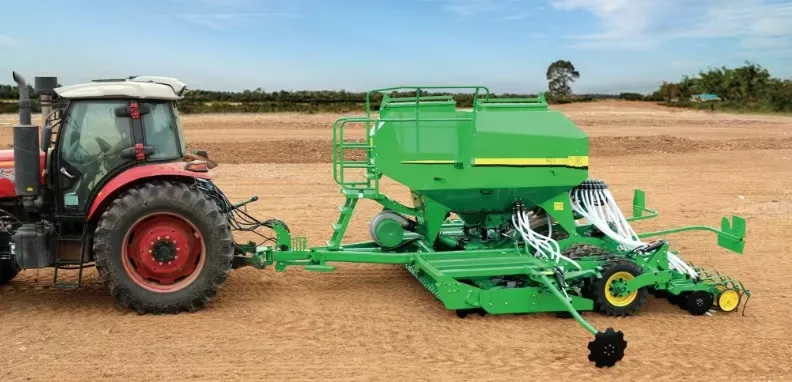
03Application of Agricultural MachineryField operations: Tractors are one of the most important power machines in agricultural production. In cultivated land operations, it can use powerful power to drive ploughshares to till the land by mounting ploughs to turn, break and level the soil, creating good soil conditions for sowing. For cultivator operations, it can mount cultivators to perform operations such as weeding, loosening and soil cultivation during crop growth to promote the growth of crop roots and nutrient absorption.
International layout
Spread all over the world
Our agricultural machinery products have won wide recognition and trust in the global market, and our sales network covers many countries and regions.

-
2026-04-05 01:35Pneumatic High-Speed Seeder-Zinan Technology_Air-Blown Precision&High-Speed EfficiencyIntroduction: The Future of Agricultural Technology In the ever-evolving landscape of agriculture, t>
-
2026-04-05 01:19Pneumatic High-Speed Seeder-Zinan Technology Co., Ltd._Air-Blown Seeding Technology&High-Speed OIntroduction to the Pneumatic High-Speed Seeder The Pneumatic High-Speed Seeder represents a signifi>

-
2026-04-05 01:07Pneumatic High Speed Seeder-Zinan Technology_Air-Blown Seeding Technology&High-Speed OperationIntroduction The Pneumatic High Speed Seeder represents a significant advancement in agricultural te>
Sign up
for Newsletter
Subscribe to the weekly newsletter for all the latest updates